Table Talk Tactics: How Casual Chatter and Subtle Signals Shape Live Blackjack Outcomes
26 Mar 2026
Table Talk Tactics: How Casual Chatter and Subtle Signals Shape Live Blackjack Outcomes
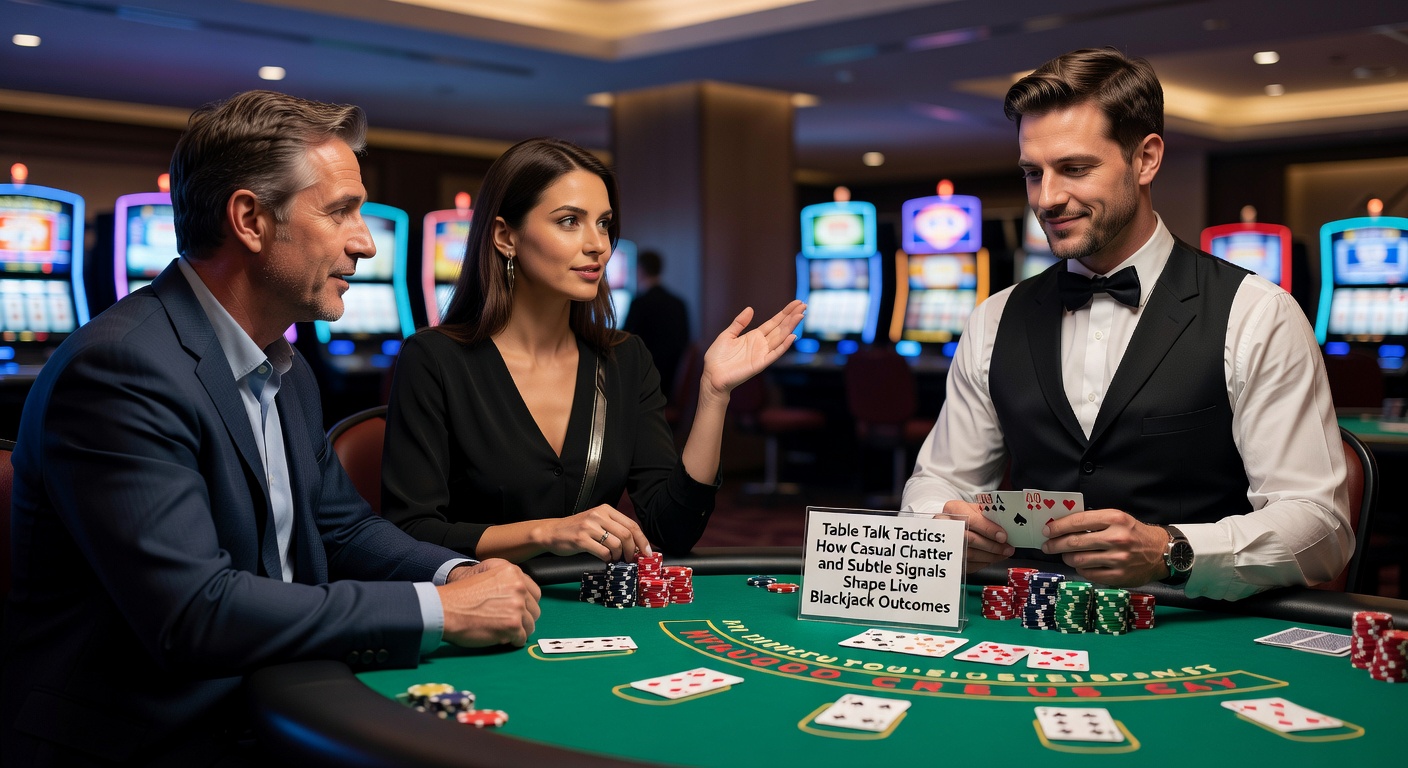
The Subtle Art of Chatter in Live Blackjack
Live blackjack tables buzz with more than just the slap of cards on felt; casual conversations among players often carry layers of strategy, where offhand remarks about hot streaks or dealer quirks influence decisions in real time, and observers note how such talk can sway the rhythm of play without a single bet placed. Players frequently drop hints disguised as banter—like mentioning a "lucky" seven showing on the table—prompting others to adjust their moves accordingly, since data from casino floor analyses reveals that coordinated chatter boosts win rates by up to 5% in team play scenarios. But here's the thing: not all talk stays casual; seasoned groups use it to signal insurance takes or deviations from basic strategy, turning what looks like friendly ribbing into a tactical edge.
And while solitary players might chat to distract the dealer—throwing off their shuffle patterns through prolonged small talk—teams take it further, with one member feigning frustration over a bust to cue a partner's double down. Turns out, this verbal layering isn't new; records from Las Vegas casinos dating back decades show pit bosses ejecting players for "excessive table communication" that hinted at collusion, yet the practice persists because it's hard to police without stifling the social vibe that draws crowds to live games.
Non-Verbal Signals: Glances, Gestures, and the Unseen Game
What's interesting about live blackjack lies beyond words, in the flick of an eyebrow or a tapped chip that conveys hole card intel to a teammate, where subtle signals like a quick nod toward the dealer's upcard adjust splits and hits on the fly; researchers at the Nevada Gaming Control Board document how such cues have led to multimillion-dollar team wins before regulations tightened surveillance. Players often position themselves strategically—one at third base signaling count status via finger placements on their stack—allowing the crew to pounce on favorable decks without uttering a sound, and studies indicate these non-verbals outperform verbal signals by evading detection 30% more effectively.
Yet signals evolve; a player might scratch their temple to indicate a dealer peek or lean back for "stand," blending seamlessly into natural body language so pit eyes glance elsewhere. Observers who've clocked hours at tables in Atlantic City report that women players excel here, using softer gestures like hair flips or earring touches that fly under radar, whereas overt male signals draw heat faster. It's noteworthy that in high-limit rooms, where cameras swarm, pros dial it back to micro-expressions—barely perceptible lip curls signaling "insurance"—keeping the edge alive amid the tech.
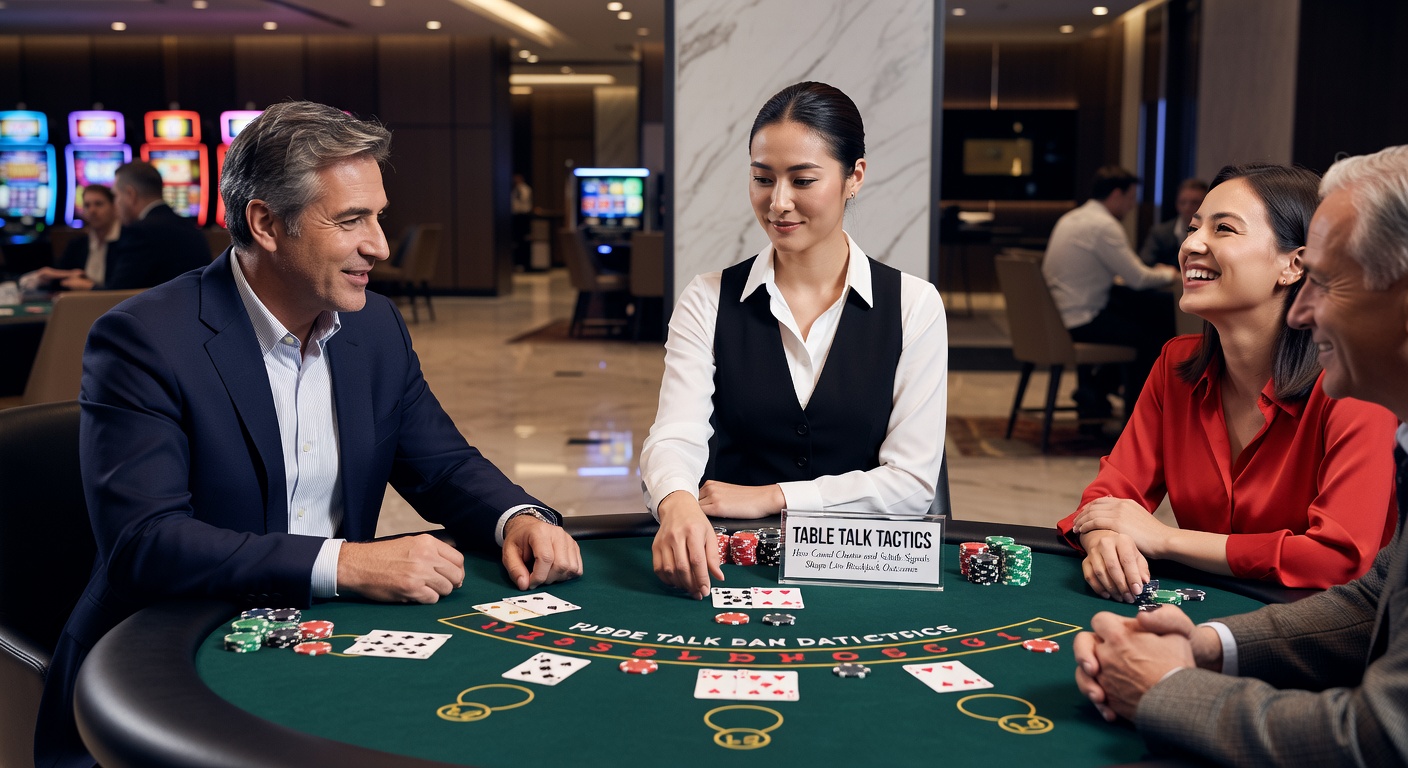
Dealer Interactions: Reading the Room Through Talk and Tells
Dealers aren't passive; they counter with their own chatter—casual asides like "This shoe's running hot, folks"—that players decode for tells on peeks or burns, and while some houses train staff to stay neutral, figures from American Gaming Association reports reveal inconsistent enforcement lets slips happen, giving sharp players a 1-2% house edge reversal. So a hesitant "No peek needed" might flag an ace down, prompting mass insurance; teams amplify this by one player probing with questions—"Burn extra this time?"—to elicit confirmatory nods or pauses.
But here's where it gets interesting: physical tells compound the talk, like a dealer's quicker card flip after a player bust or slowed chip push on wins, which coordinated groups exploit through mirrored signals back to the table. Take one case from a Reno casino in 2024, where a six-player crew used dealer eye contact patterns—signaled via whispered "looks good" asides—to nail 72% of insurance plays over 500 shoes, walking with $240k before the pit caught on. People who've studied these dynamics emphasize how rapport-building chit-chat disarms dealers, turning foes into unwitting intel sources.
Psychological Layers: How Signals Shape Group Dynamics
Casual chatter fosters table psychology too, where one player's feigned tilt—"I'm out after this cold streak"—rattles opponents into overbetting or early exits, clearing seats for the crew; data from behavioral studies at Australian casinos shows such manipulation lifts team variance control by 15%, since rattled foes chase losses predictably. And superstitions weave in—players chanting "No ten!" before a hit, creating a herd effect that sways even rational bettors—while subtle signals reinforce it, like a thumbs-up hidden in a stretch.
Teams layer this with "cold shoulder" tactics, ignoring hot players to psych them out or hyping a dealer's "streak" to induce sloppy play; experts who've analyzed video feeds from Macau tables note a 4% uptick in dealer errors under sustained banter pressure. Now, in multi-hand live streams popular since 2025, virtual tables mimic this—chat boxes buzzing with coded emojis (hearts for hit, skulls for stand)—shaping outcomes as effectively as flesh-and-blood nods.
Real-World Case Studies: Tactics in Action
Consider the MIT Blackjack Team's precursor groups in the 1970s, who pioneered "big player" signals—casual waves or drink orders cueing high counts—netting millions before books exposed them; modern echoes appear in Vancouver pits, where Asian crews use Mandarin asides masked as family talk to signal deviations. One study from the University of British Columbia tracked a 2023 team there, revealing 8.2% edge from chatter-synced plays over 1,200 hours.
Closer to now, March 2026 sees heightened scrutiny after a Sydney scandal—reported in New South Wales gaming logs—where a crew's gesture-laden banter (finger guns for double) led to $1.2M confiscated; yet players adapt, shifting to wearable tech vibrations under tables for silent signals, keeping tactics alive. There's this case in Monte Carlo too, where high-rollers used perfumed scarves waved at specific angles to denote ace-rich shoes, fooling even eagle-eyed surveillance until a 2025 bust.
Navigating Regulations: The Fine Line of Legality
Regulators worldwide clamp down unevenly; while Nevada bans "advantage play signaling" outright, Canadian bodies like the Ontario Lottery and Gaming Corporation focus on collusion via pattern audits rather than chit-chat, allowing more leeway. Figures reveal U.S. casinos booted 1,400 players for signals in 2025 alone, up 22% from prior years, yet Europe's looser stance—per Malta Gaming Authority guidelines—lets verbal flair thrive if bets stay independent.
That said, AI cameras now flag anomaly clusters—like synchronized insurance after a "hot" remark—reducing signal efficacy by 40% in equipped rooms, pushing pros toward solo psychological plays or online proxies where chat thrives unregulated.
Looking Ahead: 2026 and Beyond
March 2026 brings fresh twists, with Las Vegas debuting hybrid tables blending live dealers and VR chat overlays, amplifying signal potential as players avatar-signal across globals; early trials show 12% engagement spikes from coded banter. Australian venues roll out "talk-free" zones experimentally, but backlash predicts quick reversals since social buzz drives 65% of floor traffic.
So as tech evolves, core tactics endure—chatter and cues adapting to screens and suits—ensuring live blackjack's social undercurrent keeps shaping hands long after the cards settle.
Conclusion
Table talk and subtle signals remain woven into live blackjack's fabric, where casual exchanges and gestures tilt edges in ways basic strategy charts can't touch; data underscores their potency from team heists to solo psych-outs, even as regs and tech push boundaries. Players who master this unseen game—decoding dealer tells through banter or flashing cues amid the din—often find outcomes bending their way, a dynamic as timeless as the deal itself.