19 Jul 2026
Sonic Layers: How Audio Engineering Shapes Immersion in Streamed Card Table Sessions
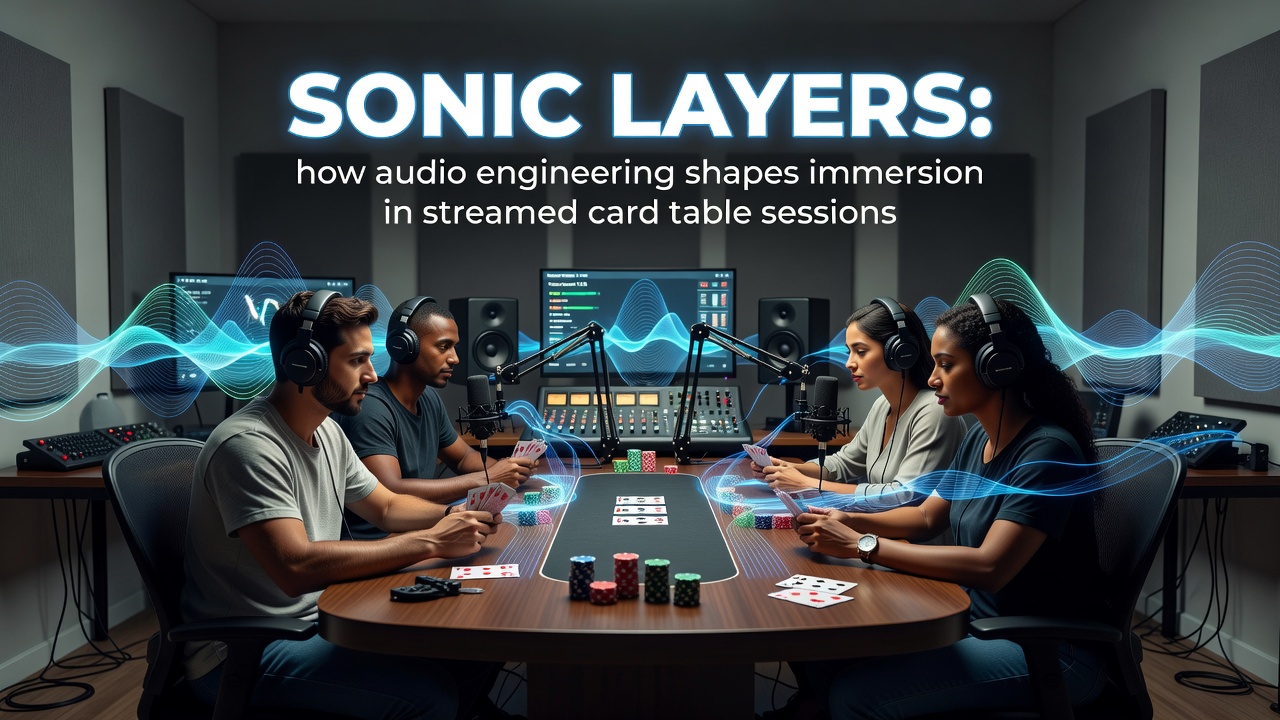
Audio engineering in streamed card table sessions combines multiple sound layers to replicate the atmosphere of physical casino environments, and researchers have documented how these techniques influence viewer engagement across digital platforms. Sound designers capture individual elements such as card shuffles, chip stacks, and dealer interactions before processing them through digital signal chains that adjust timing, frequency response, and spatial positioning in real time.
Core Components of Table Audio Design
Each element receives dedicated microphone placement and post-production treatment to preserve clarity while maintaining natural timbre, and engineers often route dealer speech through separate channels that allow independent compression and equalization from ambient table noise. Chip handling sounds receive specific frequency boosts around 2-5 kHz to emphasize tactile feedback, whereas card dealing noises occupy lower midrange bands that simulate physical contact without overpowering dialogue.
Studies from the University of Nevada, Las Vegas have examined how these layered recordings affect perceived realism in remote viewing scenarios, and data collected during controlled playback tests showed measurable increases in session duration when spatial audio cues aligned with on-screen action.
Spatial Audio and Viewer Positioning
Binaural recording techniques place virtual sound sources around the listener's head, creating directional cues that correspond to dealer movements and player positions at the felt. When a card lands on the left side of the frame, corresponding audio shifts leftward through headphone reproduction, and this synchronization relies on precise latency management below 20 milliseconds to avoid perceptual disconnects.
Platforms implementing head-tracked audio have reported adoption rates climbing steadily through mid-2026, with July 2026 marking the rollout of updated streaming protocols that integrate head-related transfer functions directly into consumer applications. These advancements allow viewers to adjust their virtual seating angle without altering camera feeds, and operators note that such flexibility reduces visual fatigue during extended sessions.
Real-Time Processing and Synchronization
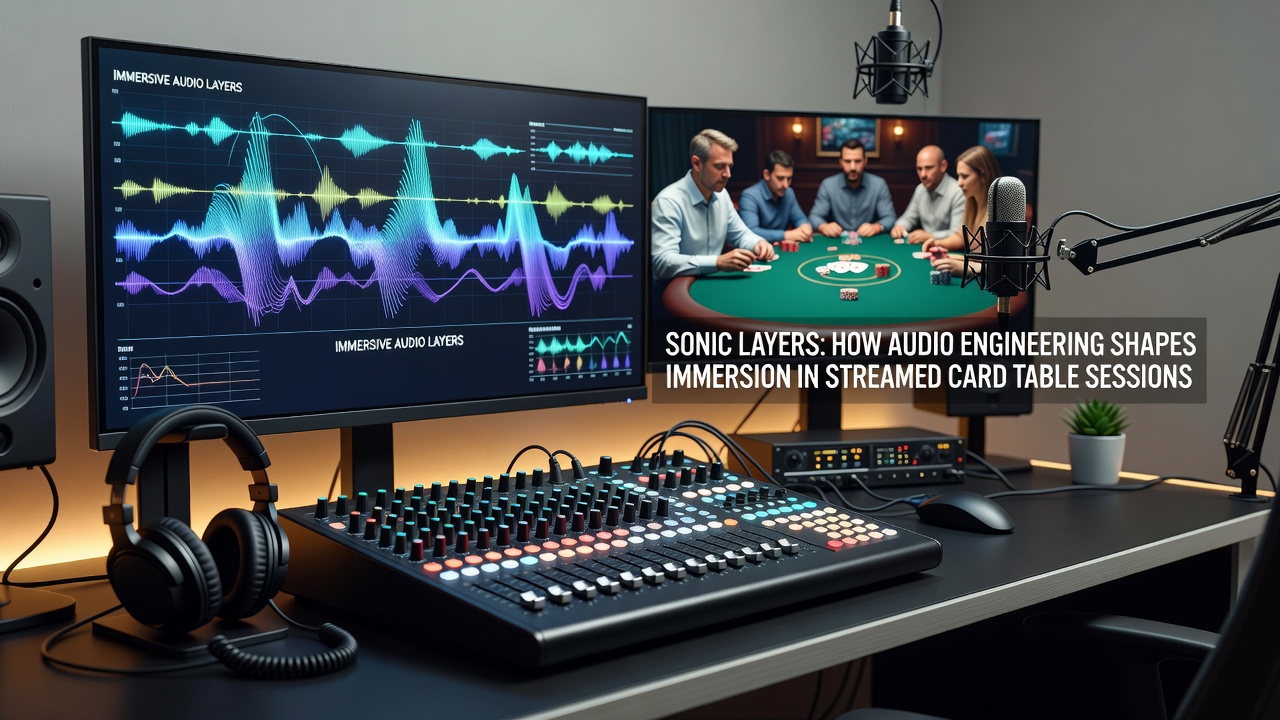
Live audio streams require dynamic range compression to handle sudden volume spikes from chip cascades or celebratory reactions while preserving quiet moments of concentration. Automated systems monitor input levels across multiple microphone feeds and apply gain reduction within milliseconds, and engineers calibrate these thresholds through iterative testing against recorded reference sessions from established casino floors.
Industry reports from the European Gaming and Betting Association indicate that synchronization between audio and video streams has improved through adoption of standardized timecode protocols, which align audio packets with frame timestamps to within single-digit millisecond tolerances. This precision supports multi-angle productions where viewers switch camera perspectives without experiencing audio jumps or phase cancellation artifacts.
Environmental Sound Integration
Background ambiance tracks incorporate subtle crowd murmurs, distant slot machine tones, and HVAC hum that ground the table in a larger venue context, and these elements undergo low-pass filtering to prevent interference with foreground dialogue. Sound libraries maintained by production teams draw from actual casino recordings captured under controlled conditions, and mixing engineers blend these layers at varying intensities depending on table occupancy and time of day.
Research published by the Audio Engineering Society demonstrates that consistent ambient beds contribute to longer attention spans among remote participants, particularly when the underlying acoustic signature matches regional casino characteristics rather than generic synthesized noise.
Future Developments in Streamed Audio
Developments scheduled for late 2026 include wider deployment of object-based audio formats that separate individual sound sources for viewer customization, allowing adjustments to voice prominence or ambient intensity through simple interface controls. Regulatory frameworks in multiple jurisdictions continue to evaluate these capabilities for compliance with fairness and transparency standards, and early implementations have focused on maintaining consistent audio quality across varying network conditions.
Training programs for audio technicians now emphasize both traditional acoustic principles and software-based spatial rendering tools, ensuring that production teams can respond quickly to evolving viewer expectations and hardware configurations.
Conclusion
Audio engineering practices continue to evolve alongside streaming technology, and the integration of spatial positioning, real-time processing, and environmental layering creates measurable differences in how audiences experience remote card table sessions. Continued refinement of these techniques depends on ongoing collaboration between sound professionals, platform developers, and regulatory bodies across different regions.