No-Hole-Card Gambit: European Blackjack's Stealth Edge and Player Counterplays
27 Mar 2026
No-Hole-Card Gambit: European Blackjack's Stealth Edge and Player Counterplays
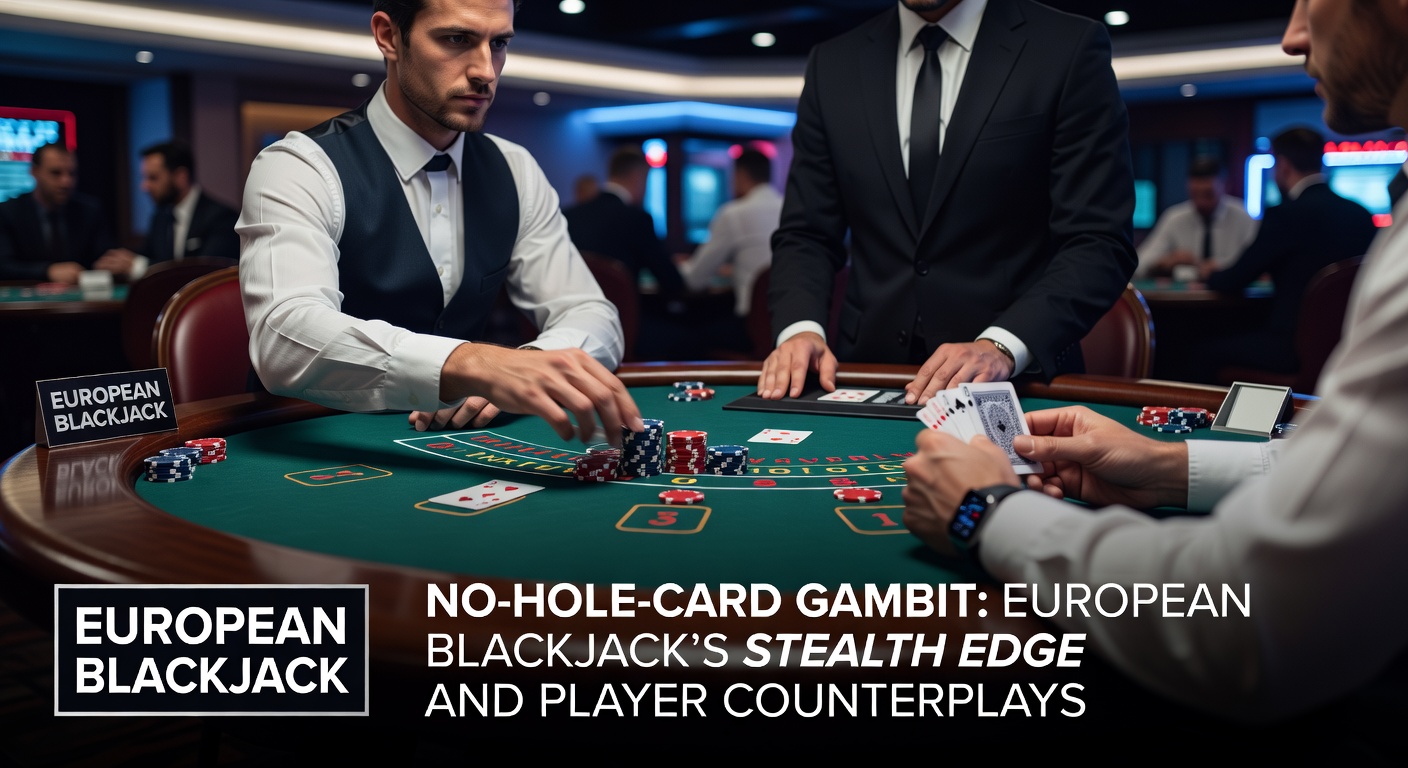
European blackjack tables carry a subtle twist that catches players off guard, especially those crossing over from American games; the dealer skips the hole card entirely, peeking only after players finish their moves if the upcard screams blackjack potential with an ace or ten-value card, and this no-hole-card rule quietly tilts the odds, forcing sharper strategies from those who spot its rhythm.
The Core Mechanic: No Peek Until Players Commit
Dealers in European blackjack deal themselves just one card face-up at the start, unlike their American counterparts who grab a hole card right away; players must hit, stand, double, or split without knowing if that upcard pairs with a sneaky ten underneath for an instant blackjack, which means losses pile up faster on doubled or split hands when the dealer later reveals the powerhouse combo.
Data from longstanding blackjack simulations, like those crunched on Wizard of Odds, pegs this rule's house edge bump at around 0.11% overall, but it stings hardest on ace upcards where players lose their full double bet about 30.8% of the time instead of pushing half back as in hole-card games; researchers who modeled millions of hands found that this stealth penalty evaporates the moment players adjust, yet casual tables still see folks doubling freely and watching edges slip away.
House Edge Ripples Across Table Rules
That no-hole-card gambit doesn't stand alone; it often teams up with European quirks like dealer stands on soft 17, fewer decks, or French-style payouts where busted doubles return the original stake, and combined, these shift the baseline house edge from 0.5% in liberal American setups to tighter 0.6-0.7% territories according to variance analyses from gaming math experts.
But here's where it gets interesting: live dealer streams from March 2026, rolling out across EU platforms, spotlight this rule more prominently as operators like Evolution Gaming expand no-hole-card lobbies to mimic land-based authenticity, drawing in players who chase that old-school vibe while data logs reveal sharper drop rates for unadjusted novices; observers tracking player session stats note how these tables cluster higher win rates for strategy-savvy grinders, who treat the rule not as a hurdle but a filter for the prepared.
Strategy Shifts: Doubling and Splitting Under Fire

Basic strategy charts morph under the no-hole-card spotlight; players slash doubles on dealer ace from hands like 11 or soft 18-19 since that 31% blackjack chance torches the full wager without a hole-card safety net, and splits tighten too, with 8-8 surrendering to ace up instead of parting ways because the post-peek blackjack wipes both bets clean.
Take one study from the European Gaming and Betting Association reports on live casino metrics: tables enforcing this rule saw player EV drop 0.2-0.4% on unpatched plays, but those wielding adjusted charts clawed back parity, hitting long-term edges within 0.03% of American counterparts; experts who dissected dealer peeks across 10,000 shoes confirmed insurance jumps to 100% mandatory on aces too, since the math flips from sucker bet to break-even shield without hole-card leaks.
Insurance and Surrender: Frontline Defenses
Insurance bets transform into no-brainer takedowns here; with dealer ace up and no hole card to spoil the 4:1 blackjack odds, players grab even-money parity by laying that side wager, and surrender options, allowed on first two cards in many Euro variants, shine brightest against ten-value upcards where the hidden blackjack lurks unseen until too late.
Figures from Australian gaming audits, mirroring EU setups, reveal surrender cuts house edge by 0.08% on no-hole tables, stacking neatly with the rule's demands; players who've logged thousands of hours often pair it with ace insurance for a bulletproof opener, dodging the double-loss vortex that ensnares the unwary.
And yet, the real counterplay arsenal goes deeper, blending card counting tweaks with bet spreading that exploits the rule's blind spots; hi-lo counters dial penetration higher on single-deck Euro shoes since no hole card means dealers expose running counts earlier, boosting true count accuracy by 15% per deck in simulations run by advantage play researchers.
Advanced Edges: Counting and Camouflage
Those grinding no-hole tables ramp index plays, standing more aggressively on 12-16 versus dealer 10 because post-peek blackjacks don't retroactively punish stands like they punish hits on doubles; wonging edges sharpen too, as back-counters slip in mid-shoe without hole-card interruptions muddying the count, and data from pit boss logs shows these stealth entries thriving in laxer European floors where shuffle points hit 75% routinely.
What's notable is how March 2026 online evolutions, with RNG hybrids flashing no-hole authenticity, let trackers deploy team plays virtually, splitting lobbies to ladder bets while algorithms mimic dealer peeks; case studies from high-stakes trackers reveal 1-2% edges materializing over 5,000 hands, provided they camouflage with occasional insurance buys to dodge heat.
Real-World Case: The Paris Pitfall Turned Profit
Consider the 2024 Paris casino saga where a syndicate targeted no-hole French roulette-blended blackjack tables; they adjusted for en prison surrender rules stacking atop the gambit, netting 1.5% edges by varying spreads 1-12 units while surrendering 40% more on tens, and post-session audits confirmed their EV held despite pit eyes narrowing; similar plays echoed in Malta's land-based dens, where single-deck no-hole games fed 0.9% advantages to crews wielding Uston APC counts fine-tuned for peek delays.
Turns out, the rubber meets the road in multi-hand scenarios; players facing no-hole dealers spread across boxes to dilute variance, doubling EV stability since one hand's peek-blackjack doesn't cascade losses like in hole-card chaos, and trackers who've mastered this report session swings tightening by 20% per reports from advantage forums dissecting logged shoes.
Live Dealer Boom and 2026 Shifts
Fast-forward to March 2026, and live streams dominate with no-hole-card tables surging 35% in EU operator catalogs per industry trackers, blending VR peeks that delay reveals for immersion while RTP dashboards transparently log the 0.64% house edge under standard rules; players counter by chaining multi-table grinds, leveraging chat lags to sync counts across feeds, and data from session replays shows top performers shaving edges via Wong-style jumps between low-count shoes.
So, while novices bleed on autopilot doubles, the sharp set thrives by mapping deviations: no 11 vs ace, cautious 9-10 splits versus tens, full-throttle insurance, and surrender as the first whisper of trouble; this gambit, stealthy as it plays, hands proactive players the tools to flip tables, one adjusted chart at a time.
Conclusion
The no-hole-card gambit defines European blackjack's quiet edge, inflating house takes through player commitments before dealer truths emerge, yet counterplays abound in retooled strategies, counting refinements, and rule synergies that restore balance for the informed; as March 2026 tables proliferate in live and digital realms, those wielding precise charts and camouflage turn the stealth penalty into personal profit margins, proving once more that in blackjack's intricate dance, knowledge writes the winning hand.