24 May 2026
Loyalty Tiers Reshaping Long-Term Betting Sequences Across Regulated Card Platforms
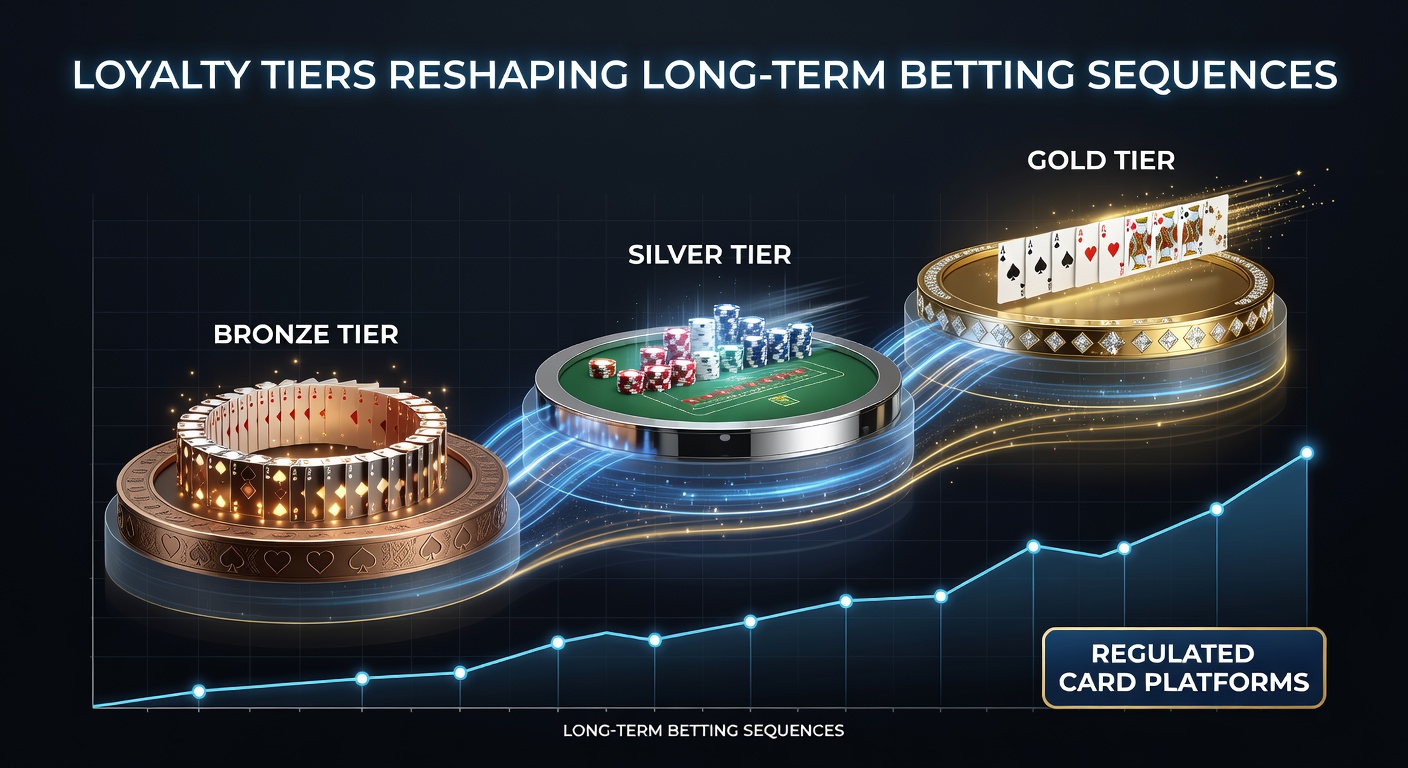
Regulated card platforms have integrated loyalty tier systems that track cumulative play across extended periods, and these structures now directly influence how participants adjust their betting sequences over months or years. Players accumulate points through consistent wagers on games like blackjack and poker, which then unlock tiered benefits such as cashback percentages, reduced rake, or access to higher-limit tables.
Tier Mechanics in Practice
Most platforms calculate tier status using a combination of total wager volume and session frequency, with resets occurring annually or semi-annually depending on the operator. Lower tiers offer basic rebates while mid-level and premium tiers provide multipliers on points earned plus invitations to exclusive tournaments. Data from North American markets shows participants who reach mid-tier status within the first quarter tend to maintain elevated average bet sizes for the remainder of the calendar year.
European operators licensed under the Malta Gaming Authority report similar patterns, where tier advancement correlates with longer session durations rather than isolated high-stakes bursts. The structure encourages steady sequences because rewards scale with sustained activity, not single large wagers.
Observed Shifts in Betting Patterns
Long-term betting sequences change once players enter higher tiers because loss rebates and fee reductions alter the effective house edge over repeated hands. Participants often increase their base unit size after reaching a new tier, yet they also extend the number of hands played per session to maximize point accrual. Research from the University of Nevada, Reno gaming studies department indicates that players in the top two tiers demonstrate 18 to 24 percent longer average session lengths compared with entry-level accounts during equivalent calendar periods.
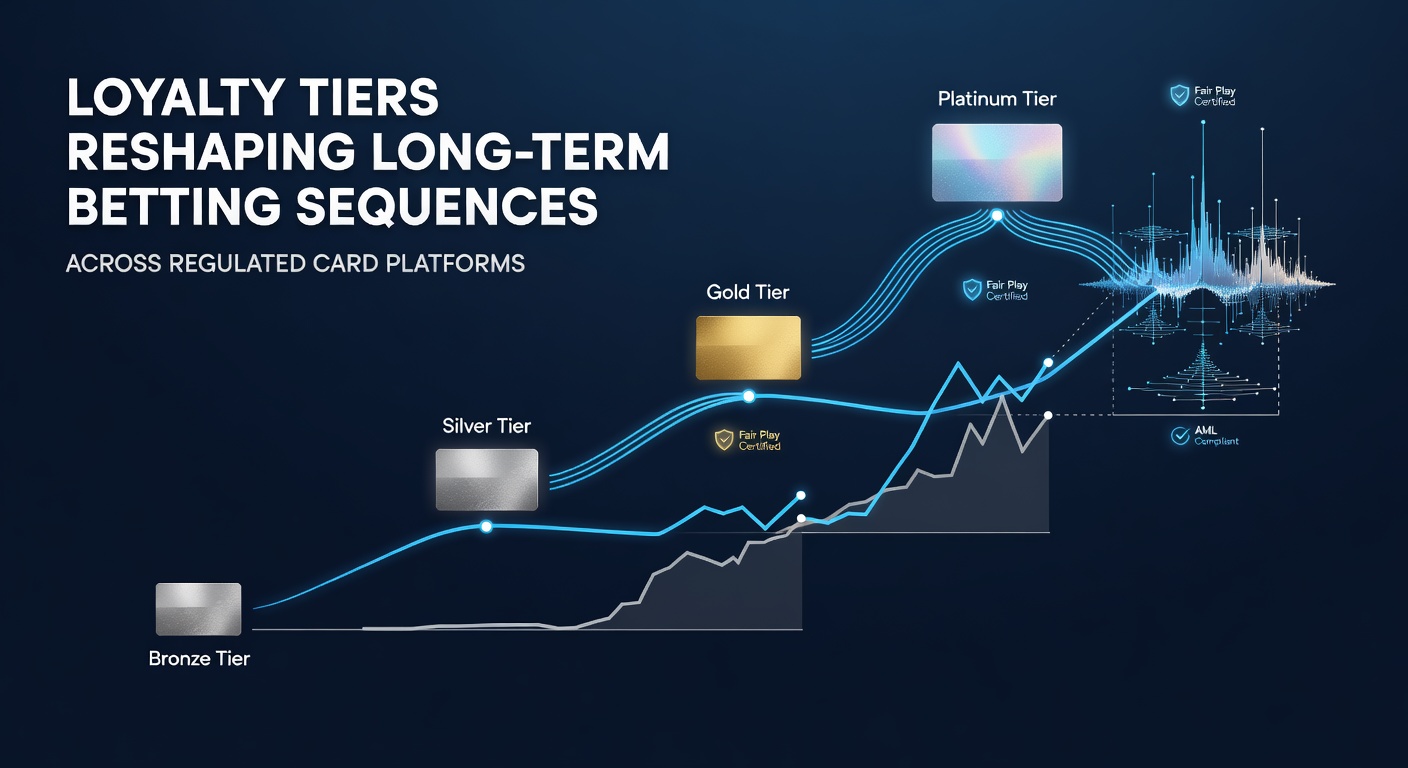
Regulators in New Jersey and Pennsylvania have documented these adjustments through anonymized transaction data submitted by licensed platforms. The reports note that tier-related incentives coincide with more gradual bet progression rather than aggressive doubling sequences, because players factor future rebates into their current decisions. This produces sequences that remain within narrower variance bands across hundreds of hands.
Regulatory Oversight and Data Trends
Authorities such as the Nevada Gaming Control Board require operators to disclose how loyalty mechanics interact with game rules and payout percentages. Compliance filings from early 2026 show platforms must separate loyalty rewards from game outcomes to maintain transparency. In Australia, state-level commissions have begun requiring annual audits of tier progression rates, revealing that roughly 12 percent of active card platform accounts reach the second-highest tier within 18 months of registration.
These figures help regulators monitor whether loyalty structures inadvertently encourage extended play among certain demographic groups. Platforms respond by publishing clear tier requirement tables and allowing players to track progress in real time, which in turn supports more predictable long-term betting behavior.
Platform Comparisons Across Jurisdictions
Operators in different regions implement tier systems with varying reset cycles and reward weightings. Canadian provincial platforms emphasize cashback tiers tied to net losses, whereas several U.S. state-licensed sites weight point earnings more heavily toward table game volume. The result is a range of incentive models that each produce distinct sequence adjustments: some favor conservative bet sizing to protect tier status, while others reward volume regardless of short-term outcomes.
Industry reports compiled by the European Gaming and Betting Association highlight that cross-border player migration between regulated markets often follows changes in tier generosity. When one jurisdiction introduces enhanced mid-tier benefits, observable increases in session length appear within two to three months among accounts that previously held lower status elsewhere.
Future Developments Expected by Mid-2026
Platform updates scheduled for rollout around May 2026 include dynamic tier adjustments based on recent activity windows rather than fixed annual periods. Early test data suggests these rolling calculations will further smooth betting sequences because players can maintain status through consistent moderate play instead of front-loading large wagers. Regulators continue to review these modifications to ensure they align with responsible gaming standards already in place.
Conclusion
Loyalty tier frameworks continue to embed themselves into the operational logic of regulated card platforms, producing measurable effects on how participants structure their wagers across extended timeframes. Transaction records and regulatory filings demonstrate that tier advancement encourages steadier sequences, longer engagement windows, and more calculated bet sizing. As systems evolve through 2026, the interplay between rewards and betting behavior will remain a focal point for both operators and oversight bodies seeking balanced market conditions.