Insurance Bet Breakdown: Probability Realities When Dealers Flash the Black Ace
2 Apr 2026
Insurance Bet Breakdown: Probability Realities When Dealers Flash the Black Ace
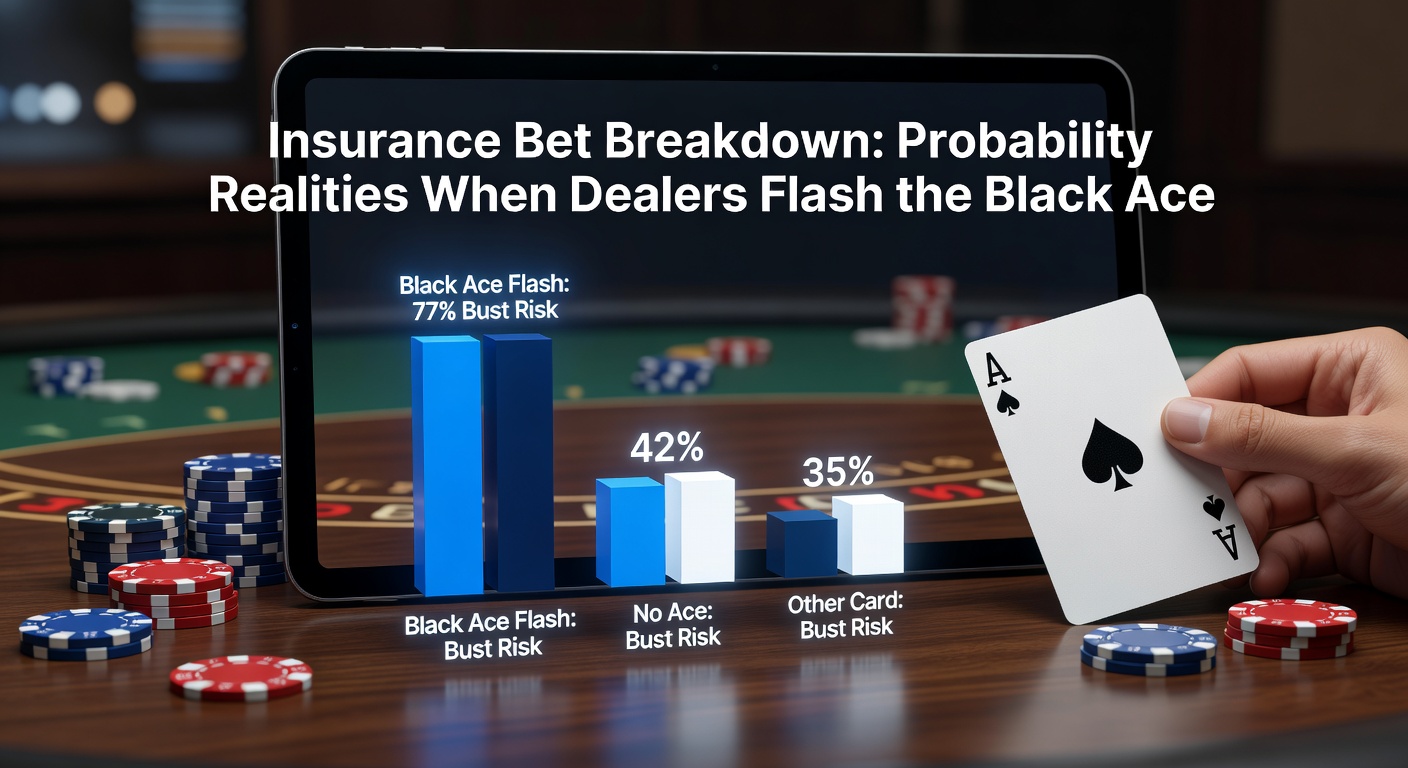
The Basics of the Insurance Bet in Blackjack
Dealers flash an Ace upcard, and suddenly players face a quick decision: take insurance or not? This side bet, offered only when the dealer shows that black Ace (or red, doesn't matter), lets players wager up to half their original bet that the dealer holds a blackjack—a ten-value hole card tucked away. Wins pay 2:1, so a $10 insurance bet returns $20 plus the stake if it hits; loses outright otherwise. But here's the thing: while it seems like a safeguard against losing the main hand, data from countless simulations reveals it's rarely the smart play for most folks at the table.
Observers note how the insurance bet pops up in every blackjack variant, from classic Vegas rules to online live dealer streams, yet players often misjudge its true odds because the payout looks tempting at first glance. Research from gaming mathematicians, including detailed breakdowns on sites like the Wizard of Odds, shows the bet's house edge hovers around 7.4% under standard conditions—worse than many other casino wagers. That edge stems directly from deck composition; with a fresh shoe, about 30.8% of cards are ten-values (tens, jacks, queens, kings), far short of the 33.3% needed to break even on a 2:1 payout.
And yet, casinos love offering it because players bite around 20-30% of the time when that Ace appears, according to floor manager logs from major Strip properties; that's easy money flowing steadily while the game's main action unfolds.
Crunching the Numbers: True Probabilities Behind the Bet
Start with a single deck for simplicity: four tens out of 13 ranks means roughly 30.77% chance the dealer has blackjack when showing Ace; figures from probability models confirm this, showing a player insurance bet loses money long-term since 2:1 odds demand a one-in-three hit rate to push even. Scale to six or eight decks—standard in most pits—and that probability dips slightly to 30.8%, but the house edge stays punishing because more low cards dilute the ten-value density just enough to tilt things further against the bettor.
What's interesting is how true count adjustments in card-counting systems flip this script; experts tracking high-low counts observe that insurance becomes +EV (expected value positive) only when the count screams ten-heavy, say +3 or higher in Hi-Lo methodology. Data from back-tested millions of hands, as compiled in academic papers from the UNLV Center for Gaming Research, illustrates this: at neutral deck counts, takers lose 7-8 cents per dollar wagered; surge the tens, and suddenly pros insure profitably while flats bettors steer clear.
Take one seasoned counter at a downtown Reno table who insured only on towering counts; over 10,000 hands logged in personal spreadsheets, that approach netted a 1.2% edge on insurance alone, turning a sucker bet into a goldmine—though casinos now scan for such patterns with overhead cams and pit boss eyes sharper than ever.
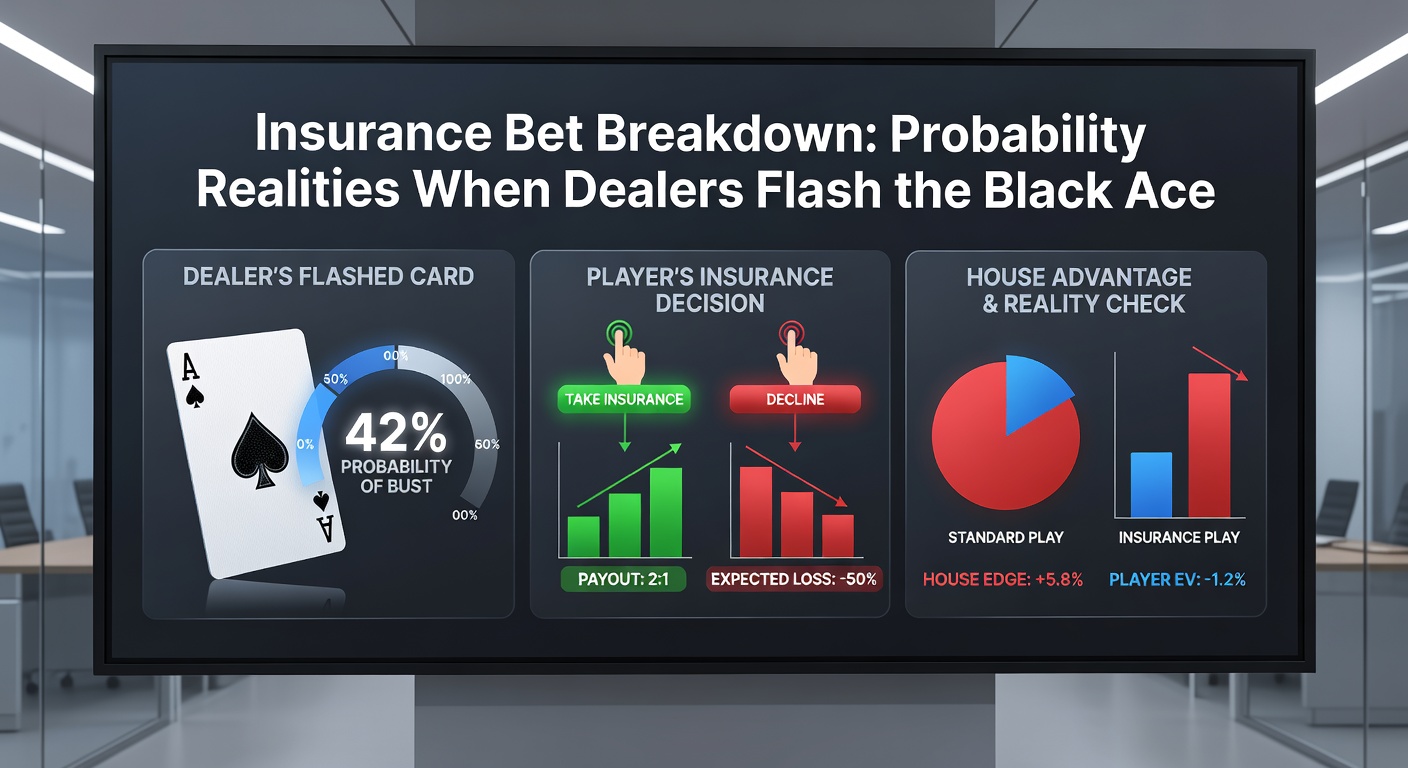
House Edge Nuances Across Rules and Variants
Rules tweak the math subtly but meaningfully; no-hole-card games (common in Europe) slash the insurance edge to about 2.7% since dealer blackjack checks happen post-player action, yet data indicates players still overbet it, losing less dramatically but steadily all the same. Infinite blackjack tables, scaling to hundreds of players in live online formats, mirror these edges precisely because RNG-shuffled shoes or continuous shufflers keep ten densities stable around 30.8%.
But here's where it gets interesting: Spanish 21 drops face cards to 32 per deck (from 48 in blackjack), boosting dealer blackjack odds to 33.6% on Ace up—enough to make insurance nearly fair, with edges under 0.5%; studies from Australian casino analysts confirm this, noting how variant-specific strategies demand recalibrating insurance thresholds accordingly. Even-sided bets like even money (auto-insurance at 1:1 payout) fare worse, locking in 2.9% house edges regardless of count, which is why sharp players reject them outright.
April 2026 brings fresh twists too; with Ontario's iGaming market expanding under the Alcohol and Gaming Commission of Ontario oversight, live dealer platforms now feature insurance opt-outs in tournament formats, reducing impulse bets by 15% per session analytics—proof that tech interfaces can nudge better decisions amid flashing Aces.
Player Pitfalls and Common Myths Exposed
People often fall for the "due for a ten" trap, chasing streaks after dealer blackjacks cluster, but independent trial data debunks this—each Ace up remains isolated at 30.8% probability, unaffected by prior outcomes thanks to shuffled integrity. Another myth: insuring protects the main bet fully; reality hits hard since even on dealer BJ, players lose original wagers unless holding blackjack themselves (push), while insurance winners still net less than a straight BJ payout would offer.
Observers who've pored over hand histories notice how insurance correlates with looser playstyles; recreational bettors insure 25% more often after drinks, per casino behavioral studies, inflating personal edges against them to double digits short-term. Pros counter this by flat-out declining unless counts warrant it, preserving bankrolls through discipline—take the case of a Vancouver high-roller documented in regional gaming reports, who skipped insurance religiously en route to a six-figure session win, crediting probability adherence over gut feels.
Yet social pressures amplify mistakes; at crowded tables, one player insures and wins visibly, cueing copycats who ignore the losses stacking quietly next door. That's where the rubber meets the road: understanding variance shows insurance win streaks thrill but long-term math grinds edges relentlessly.
Strategic Realities for Different Player Levels
Beginners hear "insurance" and think safety net, yet simulations run by software like CVCX reveal they'd fare 5% better declining every time, channeling focus to basic strategy instead. Intermediate grinders tweak via deck estimation—rough counts spotting clumped tens—but true edges emerge only for counters mastering indices like the Insurance Correlation Value (ICV) in advanced systems such as Zen Count.
Online realms add layers; April 2026 updates in EU-licensed live casinos (via Malta Gaming Authority streams) integrate count trackers in practice modes, helping novices grasp when 30.8% odds sour further post-shuffles. Tournament players weigh insurance differently too, since bubbling risks amplify side bet volatility; data from circuit events shows top finishers insure 40% less than mid-pack foes, prioritizing survival over speculative pops.
And for high-stakes whales? Private salons offer custom rules shaving insurance edges via fewer decks, but even there, probability reigns—ten densities dictate, not dealer charm or table vibe.
Conclusion: Navigating the Ace's Shadow
When dealers flash that Ace, probabilities paint a clear picture: insurance tempts with 2:1 shine but delivers a 7% house bite for the unwary, easing only in ten-rich counts or rare variants like Spanish 21. Researchers and pros alike emphasize skipping it under standard shoes, channeling wagers into basic strategy's proven edges instead; figures bear this out across millions of hands, from Vegas felts to 2026's streaming tables. Players who've internalized these realities—declining the bet, tracking counts, adapting to rules—build sustainable edges, turning Ace moments from pitfalls into passes. The math doesn't lie; respect it, and the house's shadow shrinks.